GABRIEL VEGA COUNSELING, PLLC
  • Home
  • About Me
  • Services
  • Learning Center
  • Contact
Picture

Picture

Where do we start? 

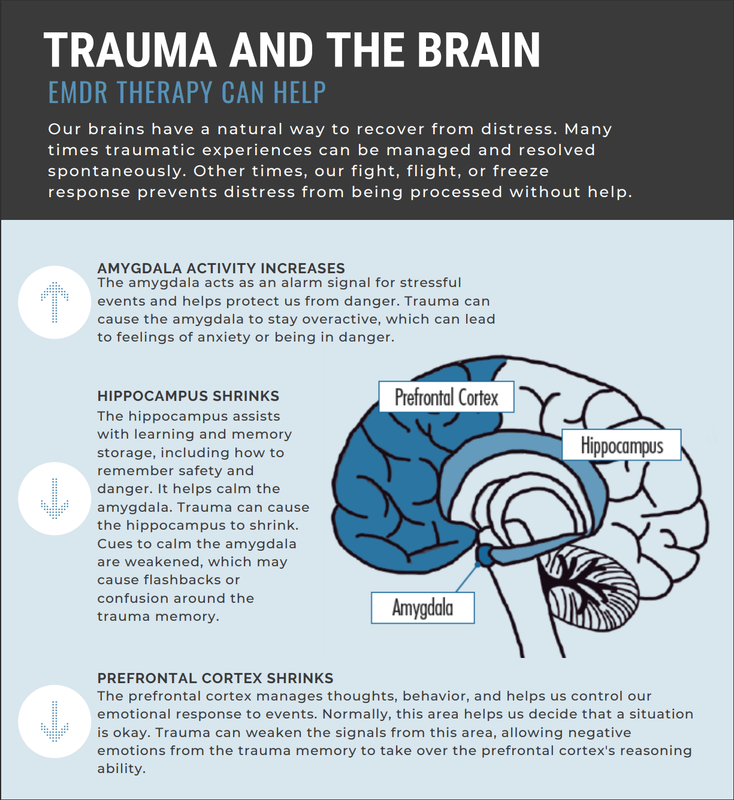
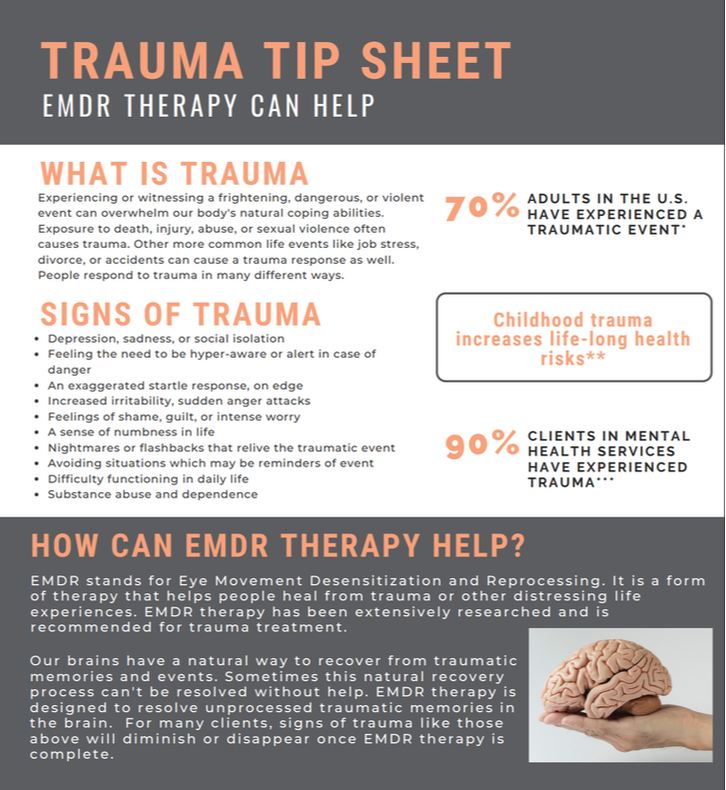
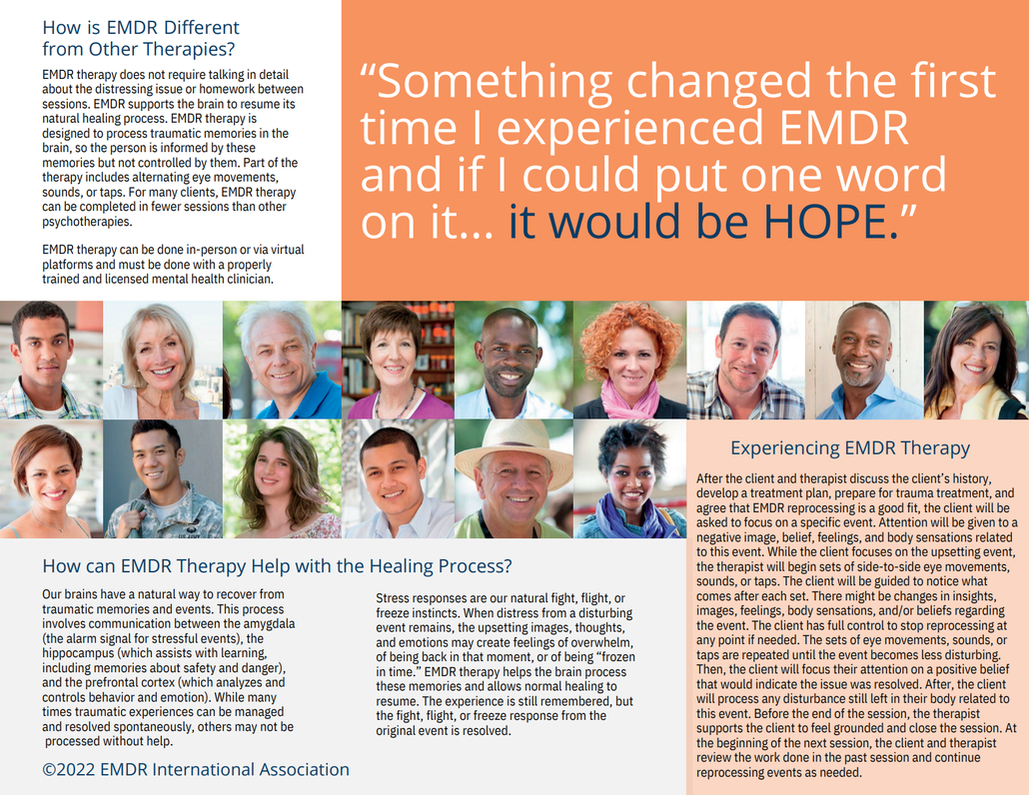
A big part of working with complex developmental trauma is addressing any dissociative symptoms before you can reprocess trauma material, especially when utilizing Phase 4 of Eye Movement Desensitization and Reprocessing (EMDR) therapy.

Many symptoms can be considered dissociation (see the visual below).

Deeb Brain Reorienting does have the ability to allow people to reprocess traumatic material without overwhelming dissociation. However, a trained clinician would still educate and address dissociative symptoms before reprocessing traumatic material with the use of Deep Brain Reorienting.
 

Picture
Picture
One significant barrier to managing dissociation is the phobia and pain that comes with realizing hard truths about life after the traumatic events: my parents will never be sober, my childhood is over, and I must move forward and accept what I lost, everything around me is or was dangerous, and no one is or was ever around to protect me when I needed it most. 
Picture

That's why dissociation can also be defined as not being able to realize certain things fully. One stream of consciousness interjects another to keep people from fully sitting with certain things about themselves, a topic, or life.

To sit with those realizations while we are still in horrific situations is just too much, which is why dissociation kicks in. However, once people are out of these situations, some parts of themselves do not feel the trauma is over and continue to be phobic of certain realizations.

​Hence, it is essential to work with a trained clinician to delicately bring people towards these harsh realizations about themselves and their lives.

Facts and Myths about Dissociation

Picture

Picture

The Timekeeper and Trauma

Picture

A note on EMDR and COVID-19

Picture
Picture

Words of Inspiration 


  • Home
  • About Me
  • Services
  • Learning Center
  • Contact